analytics-cafe
The two visitor numbers an independent cafe should count
Analytics dashboards report hundreds of metrics that tell an independent cafe owner nothing. Here are the two numbers that actually fill tables.
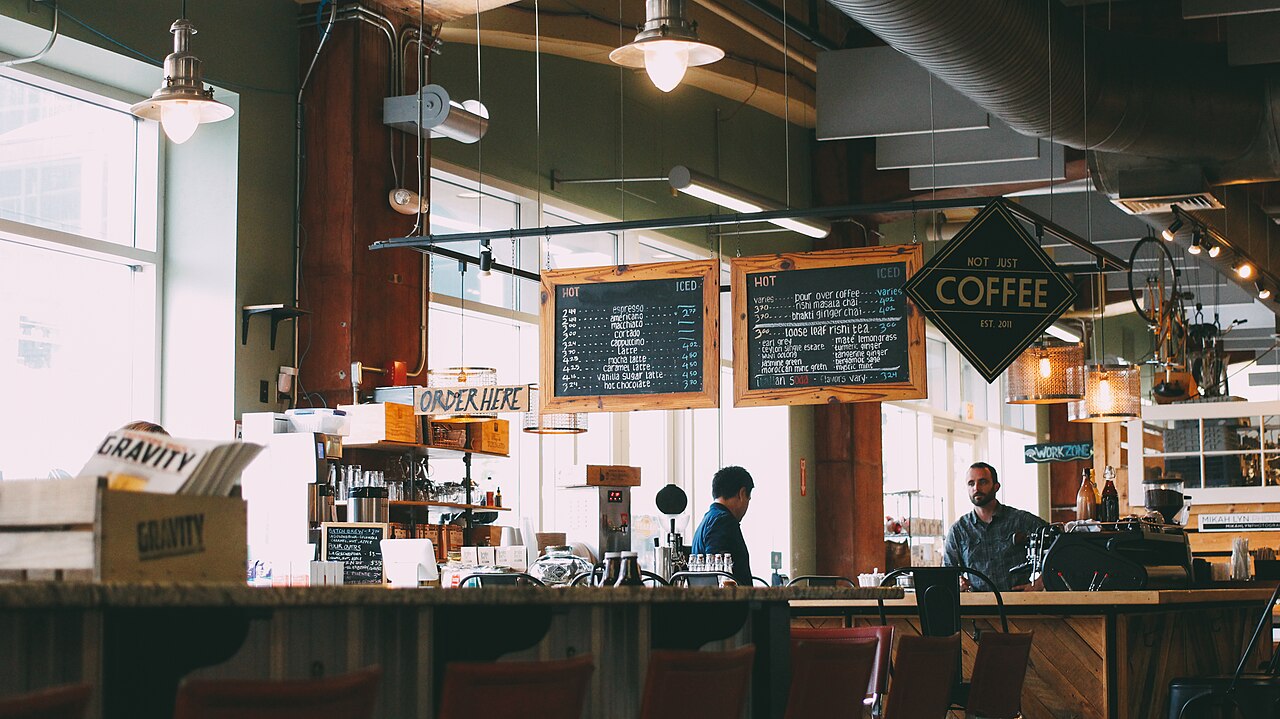
I sat in three independent coffee shops in Salisbury last Wednesday morning and examined how each cafe handles its online opening hours. The first cafe on Fisherton Street had an elaborate custom website with an integrated Google Analytics 4 tracking snippet and an interactive cookie banner that blocked half the phone screen. The second cafe on the High Street had a simple static menu page with opening hours hard-coded directly beneath the header. The third cafe on Winchester Street kept its hours only in an image uploaded to Facebook six months ago.
When I spoke with the owner of the first shop while he was dialing in his morning espresso grinder, he told me his analytics agency sent him a twenty-page PDF report every month. The report showed session counts, bounce rates, engagement durations, and demographic affinities.
He had no idea whether anyone looking at that website ever walked through his front door. He paid sixty pounds a month for a measurement stack that required visitors to tap through two consent prompts before reading what time the kitchen stopped serving sourdough toast.
For an independent hospitality business, ninety-nine percent of web analytics data is administrative waste.
The cookie banner tax on local hospitality
When you install standard analytics platforms like Google Analytics on a local cafe website, European and British privacy regulations require an explicit consent banner before any tracking scripts execute.
Usability audits across independent food and beverage websites show that between sixty and eighty percent of mobile visitors decline or ignore those consent banners. That means your detailed analytics dashboard tracks only an unrepresentative twenty percent of your audience: the people who bother to tap Accept Cookies while standing in the rain looking for coffee.
Furthermore, the banner itself creates immediate irritation. A customer checking whether your cafe opens at seven-thirty or eight on a Wednesday morning wants an instant answer. When an overlay covers the text and demands a choice between Necessary and Marketing cookies, the visitor closes the browser and checks Google Maps instead.
You do not need a complex tracking apparatus to know if your website is doing its job. You need to count two specific physical actions.
The first number: menu views on mobile devices
The primary reason a person visits an independent cafe website is to evaluate the food and drink offering. They want to know whether you serve oat milk, whether you have gluten-free pastry options, and whether your brunch menu includes eggs florentine.
You do not need invasive third-party tracking scripts to measure this interest. A privacy-friendly, cookieless analytics tool such as Plausible Analytics, Fathom, or simple server-side access logs can count total daily pageviews without collecting personal data or requiring a cookie banner.
Look at the mobile pageview count on your menu URL. When that number rises on Thursday and Friday afternoons, people in your town are planning their weekend breakfast stops. If your menu pageviews remain flat despite steady high-street footfall, your menu is either buried under too many navigation clicks or formatted as an unreadable PDF document that mobile devices struggle to render.
Keeping your menu as clean, live text on an easily accessible page lets search engines index every specialty dish while providing a frictionless experience for mobile visitors.
The second number: directions and call clicks
The second metric that directly impacts your daily till receipts is intent to travel.
A pageview on an introductory blog post or an about page tells you nothing about foot traffic. But a tap on your address link or your Get Directions button indicates a customer actively walking or driving toward your counter.
You can measure this action cleanly using standard outbound link tracking in your lightweight analytics tool or directly inside your Google Business Profile performance panel.
Google Business Profile records the exact number of users who requested walking or driving directions to your cafe coordinates over any seven-day window. When you see direction requests spike between eleven in the morning and one in the afternoon, those requests correlate directly with your midday sandwich and soup rush.
Tracking direction requests costs nothing, requires zero cookies, and gives you an honest pulse on new visitor discovery.
Where to keep your hours so people actually find them
The third cafe in Salisbury lost customers every morning because its operating hours were locked inside an old Facebook photograph. A searcher checking hours on a search engine saw an automated message warning that hours might differ on bank holidays.
Your opening hours must sit in plain text in two places: directly in your website header, and verified inside your Google Business Profile.
Do not put your opening times inside a graphical banner, a carousel slider, or a footer link labeled Visit Us. Put the daily hours in clear type right beneath your cafe address. When someone searches from their phone, their browser can read the text immediately, without loading heavy script libraries or running tracking cookies.
How to strip your website back to what works
If your website currently runs multiple tracking pixels, advertising tags, and heavy consent dialogs, remove them this afternoon.
Replace your complex dashboard with a clean view of two numbers: how many people read your menu today, and how many people tapped for directions.
When you eliminate tracking friction and present your menu and hours in clean plain text, your website stops being a data collection exercise and goes back to doing what matters: guiding thirsty customers through your front door.
Think this is happening on your site?
One hour on your business and your customers. No pitch. We work out where the business is losing customers online, and whether I am the right person to fix it.